
Digestive Health2 min read
Skin Issues? Check Your Gut
You’ve probably thought of skin issues as merely cosmetic, but there’s much more happening inside your body. Here is how your gut and skin “talk” to each other.
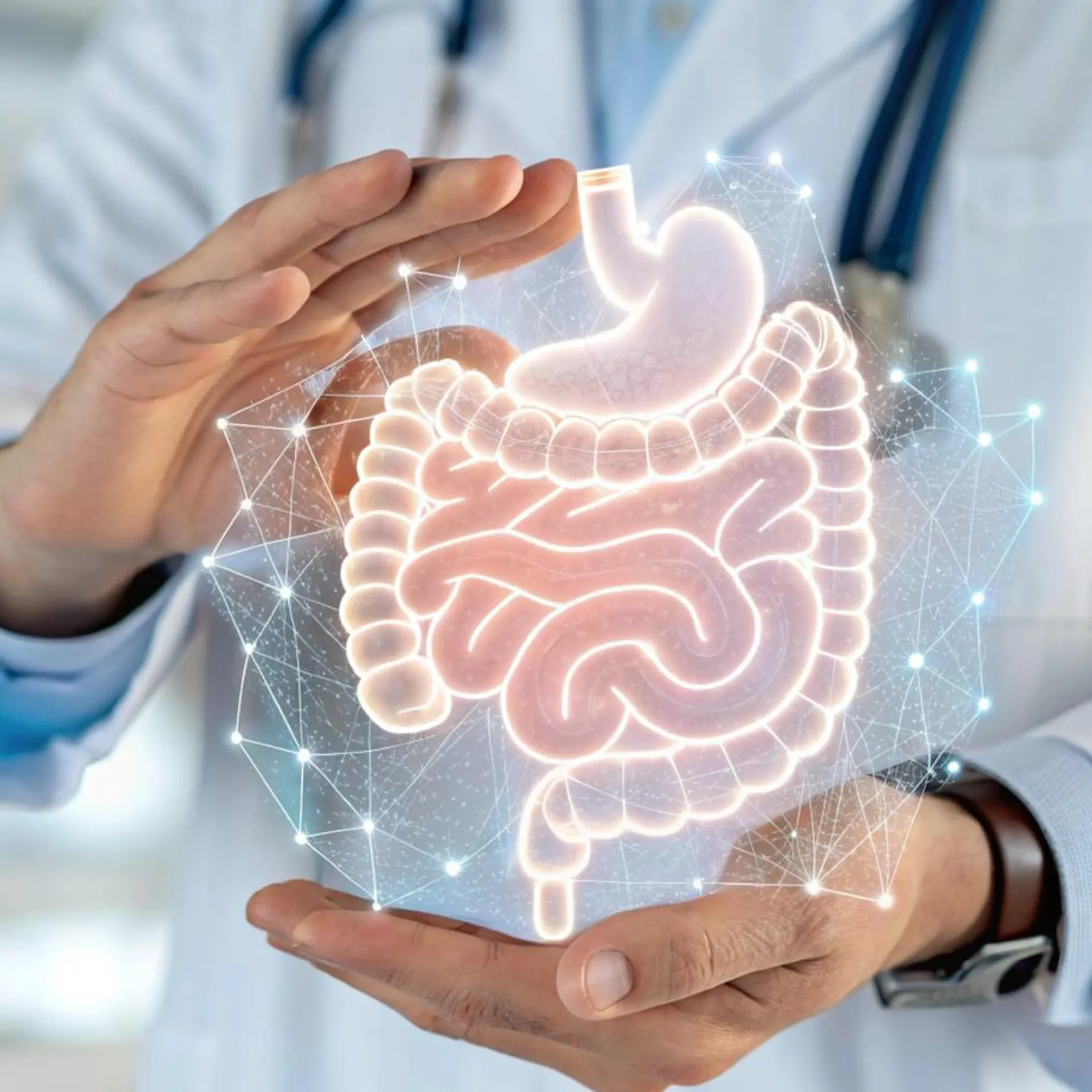

Advanced digestive disease screening, colon hydrotherapy, detox programs, and our patented Gut+ Probiotic formulation.
The digestive system is a long digestive tract that starts at the mouth and ends at the anus. This system is involved in the breakdown of complex food materials into smaller units that can then be absorbed into the bloodstream. The activities of the digestive system, the "gut" are essential for the healthy functioning of the human body.
The complexity of the digestive tract and its activities can leave the gut exposed to infectious diseases, toxins, and other toxic substances that can adversely affect digestive health.
Digestive diseases can also be caused by internal derangements such as genetic factors and autoimmune attacks on the digestive organs.
A healthy gut environment is also maintained by specific bacteria and microorganisms present in the gut. Diet and lifestyle factors such as stress, alcohol intake, and medications can kill gut bacteria and result in a disruption of the normal gut environment.
Digestive diseases can affect any part of the digestive system including the stomach, intestines, anus, and even the liver. Digestive diseases can either be infectious or non-infectious.
When a disease is infectious, it means it can easily spread from one person to another and can cause community outbreaks. Infectious diseases can be caused by viruses, bacteria, fungi, or parasites.
On the other hand, non-infectious diseases cannot be spread from one person to another. Non-infectious diseases are caused by poisons, toxins, and even when the immune system attacks the digestive system.
Non-infectious digestive diseases can also be functional gastrointestinal diseases associated with dysfunctional motility, altered gut flora, gut hypersensitivity, dysfunctional mucosal functional, altered central nervous system control, or a combination of any of these.
In 2021, a study was carried out by the Rome Foundational Global Study which revealed a global prevalence of functional gastrointestinal diseases of about 40%. This study shows a need to maintain a stable gut microflora for good digestive health, and optimal overall health.
Just like other diseases, comprehensive screening for digestive diseases starts with taking a medical history, checking for symptoms, and physical examination of patients. A comprehensive screening plan is recommended by your medical team and is essential to narrow down the cause of the disease to begin treatment early.
Diarrhea and abdominal discomfort are often seen in almost every digestive disease. They are what you see that tells you to seek treatment. The type of diarrheal stool is often used by doctors to tell the cause of the disease. For example, in salmonella, the stool usually has a strong smell and may contain blood, while the stool in cholera looks like rice water.
Common symptoms caused by most digestive diseases include:
Early intervention is essential to control symptoms and prevent severe disease. Severe symptoms in digestive diseases include:
At Montis, we provide comprehensive screening panels that can narrow down the specific cause of your digestive issues. Comprehensive and Advance Gut screening usually contains tests used in the screening of digestive diseases which may include:
Untreated diarrhea and vomiting can result in excessive fluid loss and shock. Some pathogens can also produce toxins that can spread to other sites to cause disease. The treatment of digestive diseases is focused on improving disease symptoms, and preventing severe disease.
Fluid replacement and treatment of diarrhea and vomiting are part of the earliest interventions to treat digestive diseases. Oral rehydration therapy with zinc is always recommended to replace fluids lost from diarrhea. Loperamide (Imodium) is an effective anti-diarrheal that is often prescribed to control diarrhea.
Following tests to diagnose the specific cause of the disease, targeted therapy can then start to treat the disease. Antibiotics can be prescribed to treat bacterial diseases, antivirals to treat viral while antiparasitic drugs can be used to treat diseases caused by parasites. At Montis we also provide modern treatment options such as:
The gut is a host to trillions of bacteria - both good and bad. Keeping a constant gut flora population has been proven to be effective in the prevention of digestive diseases, and the maintenance of a healthy gut.
Our probiotic supplement, Gut+ probiotic, is loaded with over 20 billion colony-forming units (CFU) of the bacteria, Pylopass. Pylopass is a patented strain of Lactobacillus reuteri from Denmark that has been proven to reduce the bacterial load of Helicobacter pylori in the gut. In turn, it can prevent gastrointestinal symptoms related to H. pylori infection such as heartburn and acid reflux.
In 1994, the World Health Organization also labeled Helicobacter pylori as a class 1 carcinogen making it more concerning. Chronic Helicobacter pylori infection can cause metaplastic changes in the stomach which can progress to cancer.
Pylopass in our Gut+ probiotic supplement offers a safe, non-invasive, non-pharmacological approach to prevent the colonization of the gut by H.pylori. The Pylopass strain in the Gut+ probiotic is designed to target H. pylori without disturbing the normal gut flora.
Book a consultation with our medical team to discuss your personalized treatment plan.
You’ve probably thought of skin issues as merely cosmetic, but there’s much more happening inside your body. Here is how your gut and skin “talk” to each other.

“I’ve been eating more vegetables and whole grains… so why do I still feel bloated?” Why fiber sometimes isn’t enough on its own, and what your gut may need instead.

“I’ve been taking iron supplements for months, but I’m still exhausted.” Bloating, fatigue and recurring deficiencies can share one hidden culprit.