A friend of mine struggled with breakouts for years, assuming they were just from stress. It wasn’t until she visited a dermatologist that she found the real cause: her diet. You’ve probably thought of skin issues as merely cosmetic, but there’s much more happening inside your body.
The gut-skin axis
Did you know that your gut contains around 38–39 trillion bacteria? Nearly the same as the total number of cells in your body. They are the tiny organisms that aid your gut’s ability to absorb nutrients, like B vitamins, vitamin C, and zinc.
These gut bacteria are key players in a communication system called the gut-skin axis – the way your gut and skin constantly “talk” to each other. One example of their conversation: your gut bacteria facilitate your absorption of the nutrients mentioned earlier, which your skin uses to boost collagen production and stay healthy.
How an unhealthy gut shows up
Yet like any conversation, things don’t always go smoothly. When your gut bacteria fall out of balance – known as dysbiosis – harmful bacteria can start to outnumber the beneficial bacteria. This imbalance often triggers inflammation, and because of the gut-skin axis, the effect can appear as breakouts, or other skin issues.
Does that mean skincare is useless?
Of course not. Skincare can genuinely hydrate your skin, keeping the plumpness even as you age. The right ingredients can soothe irritation and shield your skin against sun and pollution.
That said, when the root cause starts in your gut, no matter how good your serum is, it won’t solve the problem. Topical products may be effective in treating the surface, but inflammation happens at a cellular level – deeper than anything you can apply.
Feeding your gut bacteria
Think of your gut bacteria like a garden. Feed them properly, and they will flourish. Now, what should you feed them?
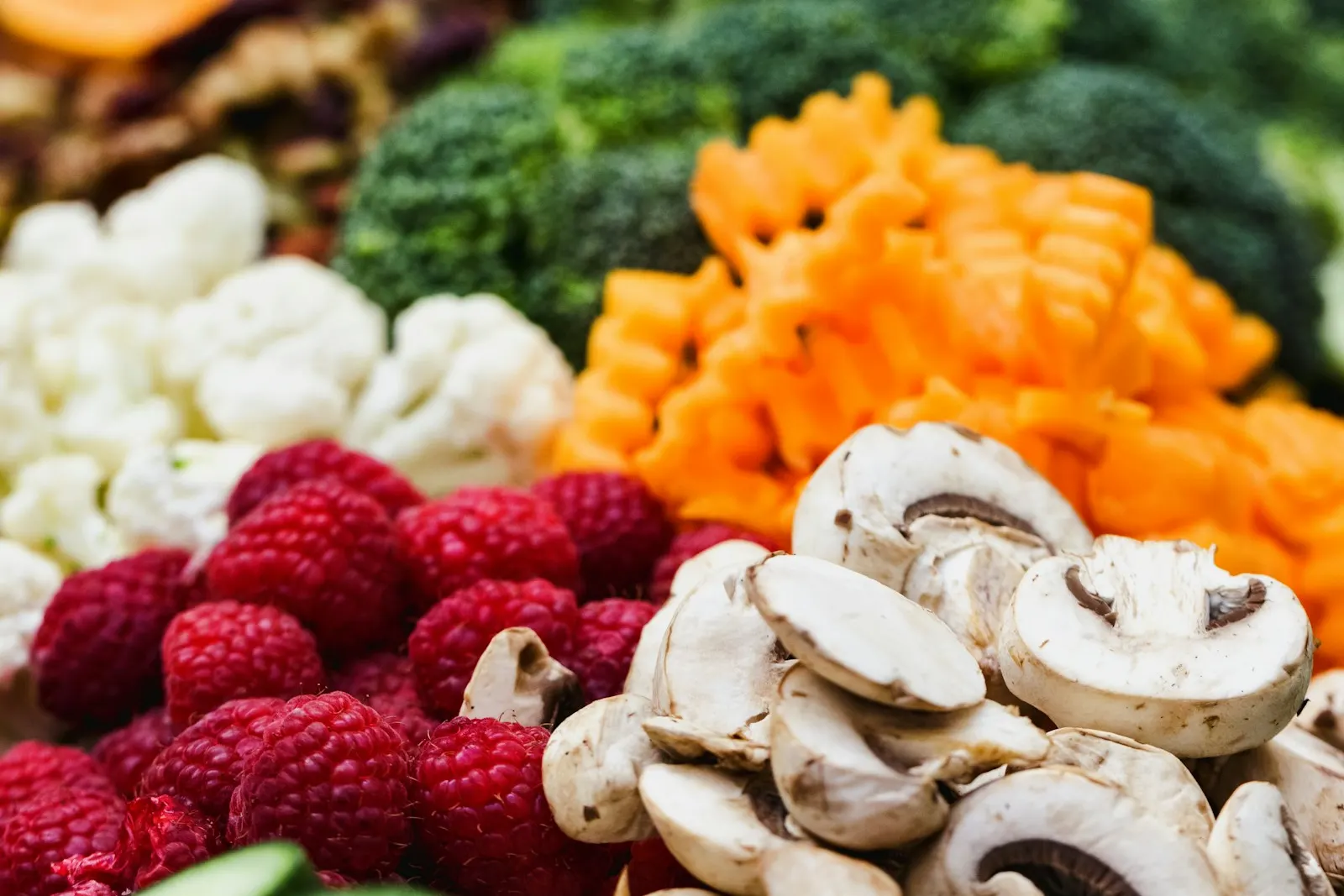
Gut bacteria’s favorite: fiber. Your small intestine absorbs most of the nutrients from the food you eat, except for fiber, as it passes through your large intestine, where your gut bacteria make their home. You’ll find fiber in whole grains, lentils, green leafy veggies, and sweet potatoes. If these examples aren’t part of your routine, you can simply swap them into your daily meals.
And then, there’s fermented food. While fiber feeds your gut bacteria, fermented food, such as yogurt, kimchi, miso, and tempeh, adds new bacteria directly to your gut. Together, the two keep your gut balanced.
Your gut bacteria’s support system
Following a healthy diet encourages a balanced gut, but sometimes it’s easier said than done. Remember my friend from earlier? Alongside her diet changes, she took a probiotic supplement – OXYZ’s Gut+ Probiotic – to support her gut on days her meals alone weren’t enough.
Want to see if Gut+ Probiotic could support your gut too? Talk to our team.
This article is for general information only and is not a substitute for personal medical advice. Treatments described may not be suitable for everyone. Please consult a qualified doctor before starting any treatment.