“I’ve been eating more vegetables, switched to whole grains, and even started taking fiber supplements… So why do I still feel bloated?”
It’s a question I hear surprisingly often.
Many people assume that once they start eating healthier, their digestive issues will disappear. But after speaking with clients who continue to struggle despite making all the “right” food choices, I began noticing a pattern.
It wasn’t that they weren’t eating enough fiber. It was that they were expecting fiber to do everything.
When fiber isn’t the whole answer
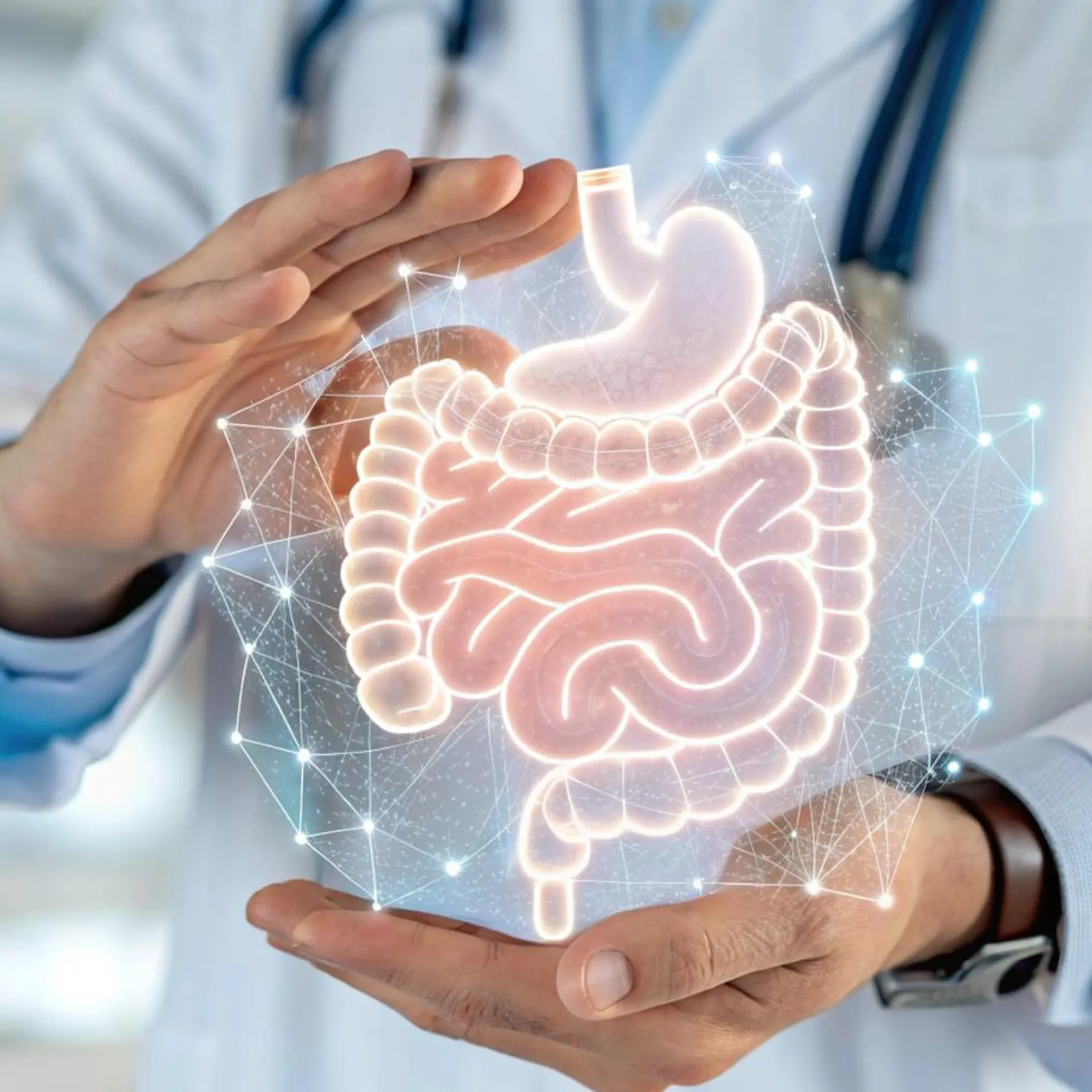
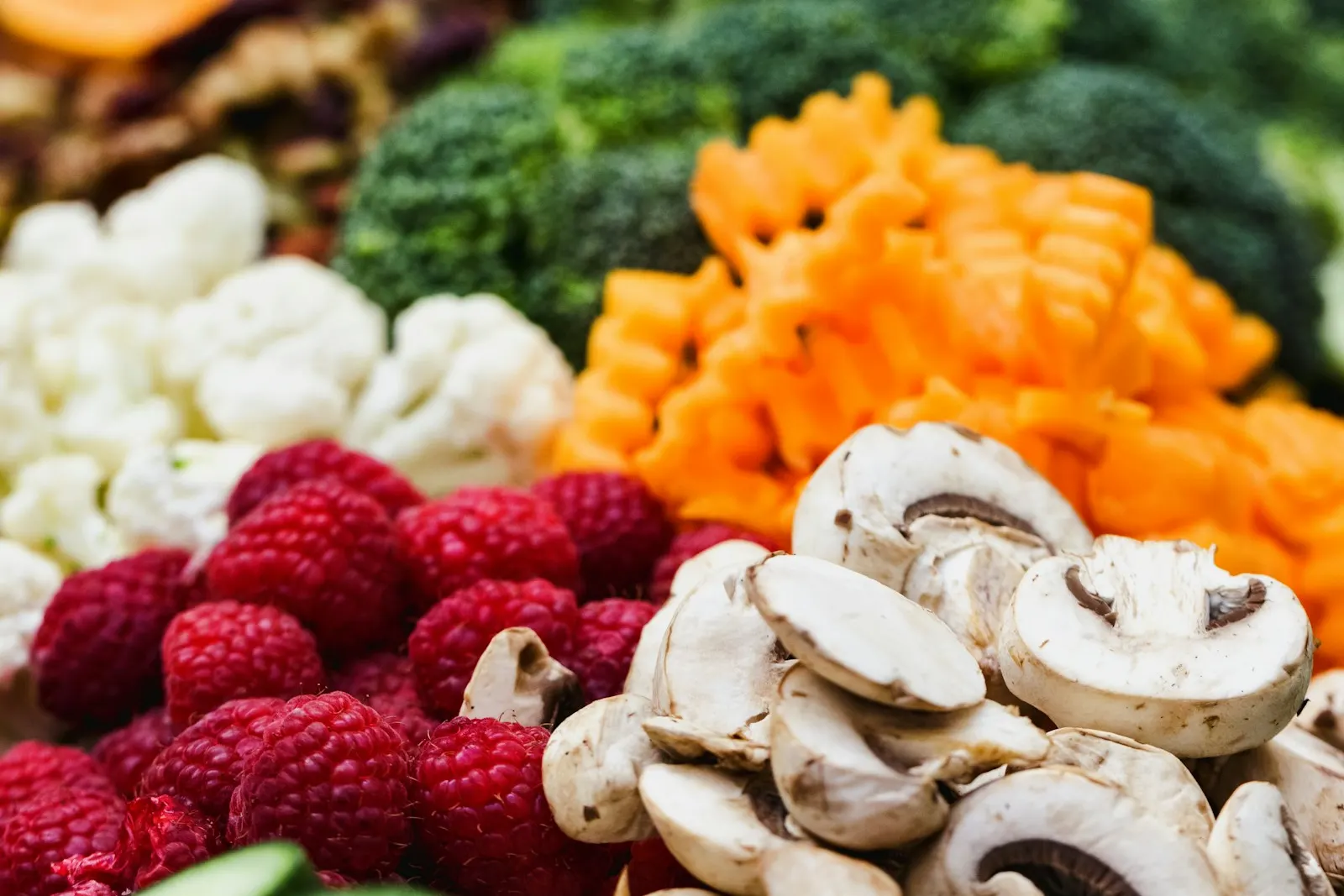
As nutritionists, we’re taught that fiber is the foundation of gut health, and that’s absolutely true. Whole grains, fruits, vegetables, and legumes feed the beneficial bacteria living in our gut. In return, these bacteria produce short-chain fatty acids (SCFAs) that help nourish and protect the intestinal lining.
But here’s something I think we don’t talk about enough. What if those beneficial bacteria have already been reduced?
Many of us have gone through rounds of antibiotics, periods of chronic stress, illness, or years of inconsistent eating habits. Over time, these can disrupt the gut microbiome.
Imagine trying to feed a community that has slowly disappeared. No matter how much food you provide, there simply aren’t enough people left to make full use of it. That’s exactly why fiber sometimes isn’t enough on its own.
Thinking beyond fiber
Once I understood this, the conversation around gut health started to make much more sense. Instead of asking, “How can I eat more fiber?” perhaps the better question is, “What does my gut actually need right now?”
A healthy gut ecosystem depends on three things:
- It needs to be fed. That’s where prebiotic fibers like psyllium husk come in.
- It may need to be rebuilt. Beneficial bacteria such as Lactobacillus acidophilus can help restore balance to the gut microbiome.
- It needs support to repair itself. This is where postbiotics – the beneficial compounds produced by healthy bacteria – play an important role. These compounds help support the intestinal barrier while the microbiome continues to recover.
Different jobs. Different roles. One healthier gut.
Putting it all together
This is the idea behind Tribiomic. Rather than focusing on just one aspect of gut health, it combines psyllium husk to nourish beneficial bacteria, Lactobacillus acidophilus to support a balanced microbiome, and PosBion, a source of postbiotics, to help support the gut lining.
It’s not about replacing the advice to eat more fiber. It’s about recognizing that sometimes, the gut needs more than just fuel.
Something worth thinking about
The next time your gut isn’t feeling its best, don’t just ask yourself, “Am I eating enough fiber?” Try asking instead, “Am I supporting my gut in every way it needs?”
Healing the gut isn’t usually about finding one magical ingredient. It’s about understanding that your gut is an ecosystem, and like any ecosystem, it thrives when every part works together.
So keep eating your fiber-rich foods. They’re still the foundation. But remember that sometimes, building a healthier gut means looking beyond the basics and giving your gut the complete support it deserves.
This article is for general information only and is not a substitute for personal medical advice. Treatments described may not be suitable for everyone. Please consult a qualified doctor before starting any treatment.