IV drip therapy (intravenous nutrient therapy) delivers fluids, vitamins, minerals and other nutrients directly into the bloodstream through a small cannula in the arm. Because it bypasses the digestive system, nutrients reach the blood at higher levels than tablets can achieve. This makes IV therapy popular for energy, recovery, immune support and healthy ageing.
Popular IV drips and what they contain
NAD+ IV drip
NAD+ (nicotinamide adenine dinucleotide) is a coenzyme found in every cell and is essential for energy production and DNA repair. NAD+ levels naturally fall with age, which is why NAD+ drips are popular for energy, mental clarity and healthy ageing. NAD+ is infused slowly, often over two to four hours, because a fast infusion can cause chest tightness, nausea or flushing.
Myers’ cocktail
The classic Myers’ cocktail combines magnesium, calcium, B vitamins and vitamin C. It is one of the most widely used wellness drips and is often chosen for fatigue, recovery after illness or travel, and general wellbeing.
Liver cleanse and antioxidant drips
These drips typically feature glutathione, the body’s master antioxidant, together with other liver-supporting nutrients. They are often used as part of a structured detox or fatty liver programme.
Coenzyme Q10 (CoQ10)
CoQ10 is a vitamin-like compound that helps cells make energy, particularly heart muscle cells. Levels fall with age and can be lowered by cholesterol-lowering statin medicines. CoQ10 support is often included in heart recovery programmes.
Who may benefit from IV drip therapy?
- People with confirmed nutrient deficiencies or poor absorption from the gut.
- Those recovering from illness, intense training or long-haul travel.
- Adults looking for structured support for energy and healthy ageing.
- Patients following a doctor-led programme for heart, liver or metabolic health.
Safety checks before an IV drip
IV therapy is a medical procedure and should always be supervised by a doctor. Before your first drip, a responsible clinic will review your medical history and medications. Where relevant, it will also check:
- Kidney function, because the kidneys clear most infused nutrients.
- G6PD status before high-dose vitamin C. G6PD deficiency is relatively common in Malaysia, and high-dose vitamin C can cause red blood cells to break down in people who have it.
- Heart conditions, because some people cannot safely receive large fluid volumes.
- Pregnancy and allergies.
What to expect during your session
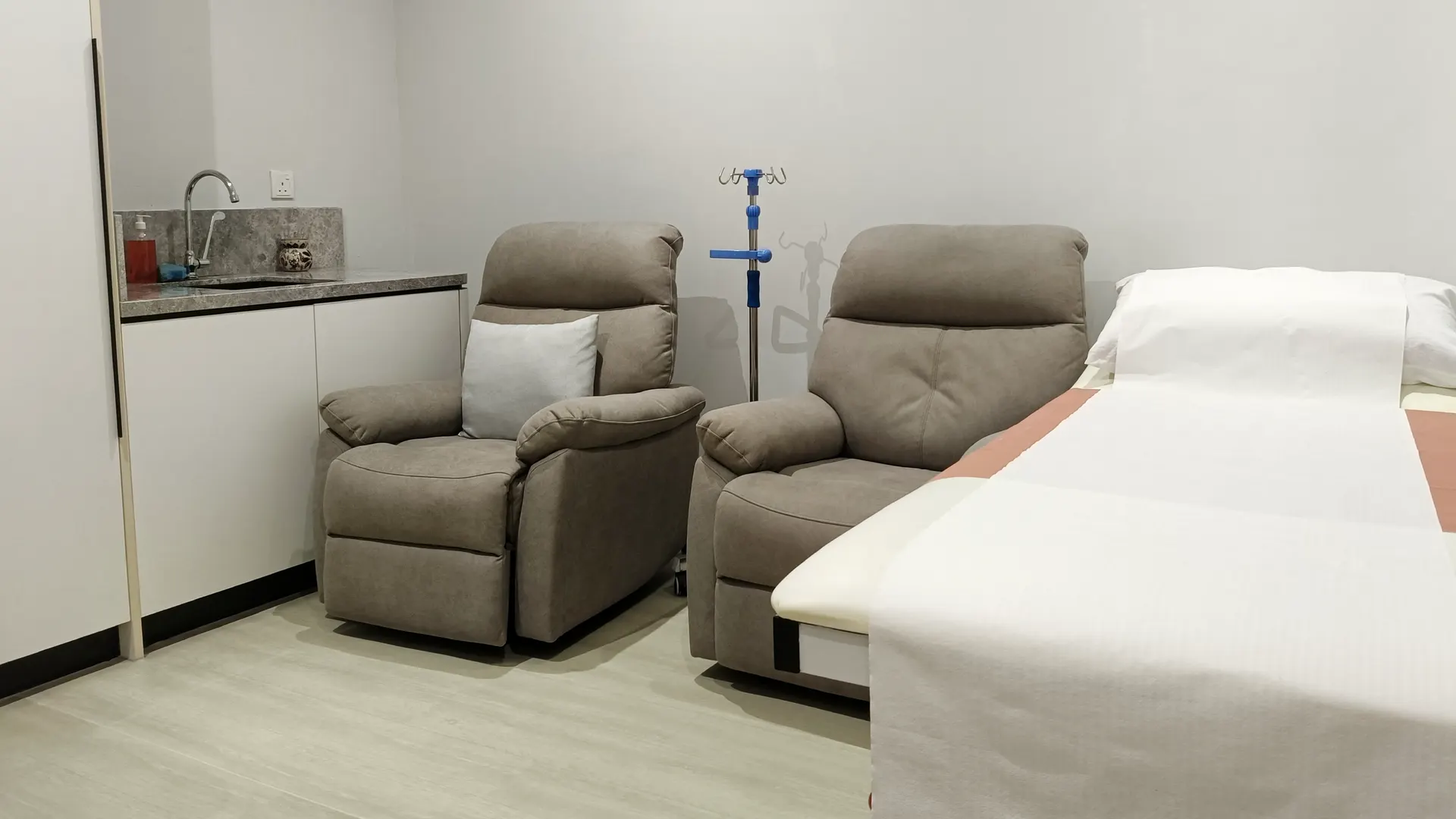
After your consultation, a nurse places a small cannula in your arm and you relax in a reclining chair while the drip runs. Most drips take 30 to 90 minutes; NAD+ takes longer. You can read, work or rest. Most people return to normal activities straight away.
At Montis we tailor each drip to your screening results and goals, and we often combine IV therapy with our wider medical screening and detox programmes.
Frequently asked questions
How often should I have an IV drip?
It depends on your goal. Some programmes start with weekly sessions for four to six weeks and then move to monthly maintenance, while others are one-off sessions after illness or travel. Your doctor will recommend a schedule based on your results.
Does an IV drip hurt?
You will feel a small pinch when the cannula is inserted. After that, most people feel little more than a cool sensation in the arm.
Is an IV drip better than taking supplements?
IV delivery reaches higher blood levels and avoids absorption problems, which can help people with deficiencies or gut issues. For many healthy people, a good diet and oral supplements are enough. Your doctor can advise which approach suits you.
Further reading
This article is for general information only and is not a substitute for personal medical advice. Treatments described may not be suitable for everyone. Please consult a qualified doctor before starting any treatment.