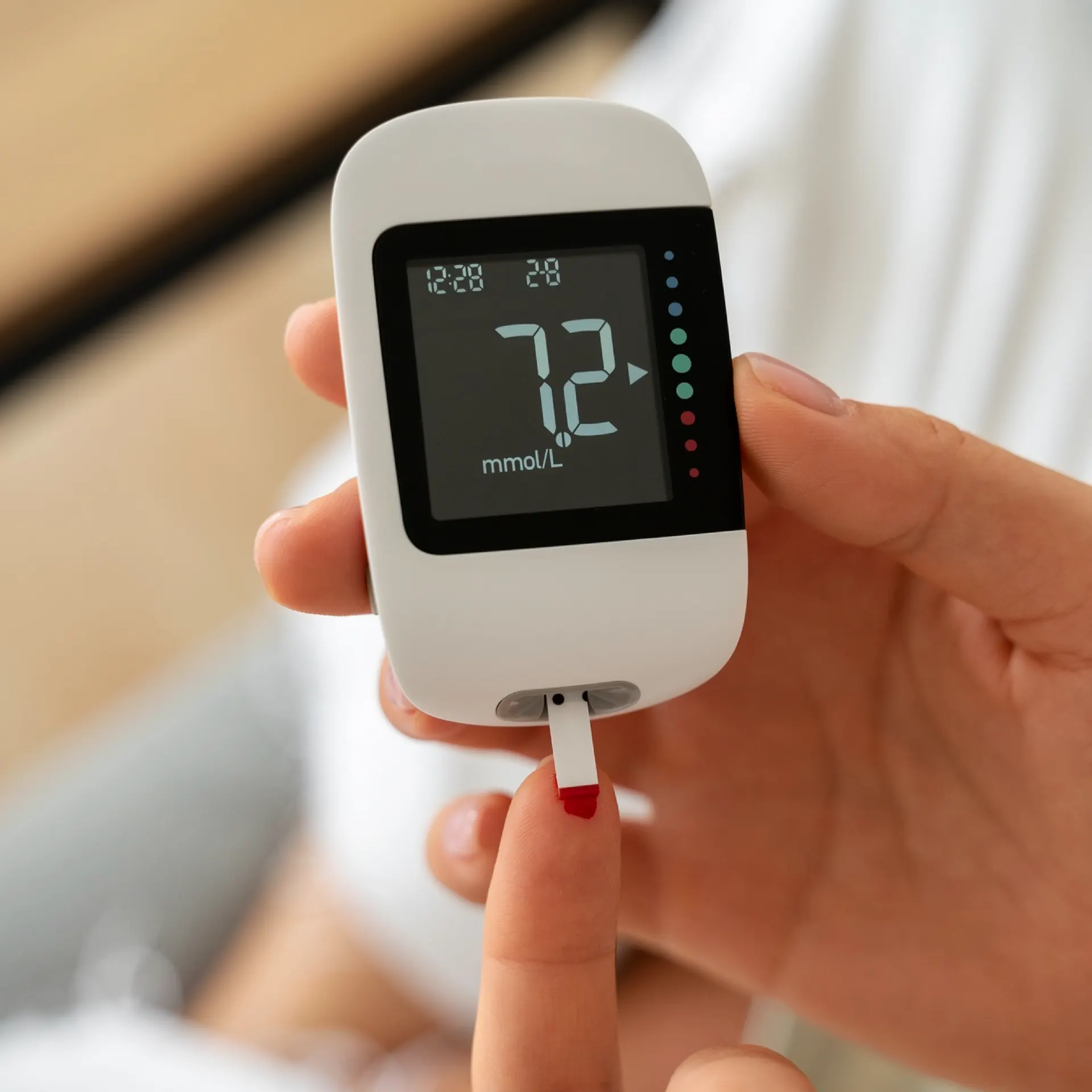
Diabetes is one of Malaysia’s biggest health challenges. National surveys suggest that roughly one in six Malaysian adults has diabetes, and many do not yet know it. Good diabetes treatment is about much more than blood sugar numbers. It means protecting your heart, kidneys, eyes, nerves and quality of life for decades to come.
How diabetes is diagnosed
Type 2 diabetes is usually diagnosed using a fasting blood glucose test, an oral glucose tolerance test, or HbA1c, which reflects average blood sugar over about three months. Malaysian clinical practice guidelines use an HbA1c of 6.3% or higher for diagnosis, confirmed with a repeat test. Results just below this range indicate prediabetes, which is the best time to act.
The pillars of effective diabetes care
1. Personalised targets
Many adults aim for an HbA1c around 6.5–7.0%, but targets are personalised. They may be relaxed for older adults or people at risk of low blood sugar (hypoglycaemia). Blood pressure and cholesterol targets matter just as much for preventing heart disease.
2. Nutrition
Practical changes make the biggest difference: smaller portions of white rice, noodles and bread; more vegetables, legumes and protein; fewer sweetened drinks such as teh tarik, sirap and soft drinks; and consistent meal timing. A structured plan built around foods you actually eat works better than a strict diet you cannot keep.
3. Physical activity
Aim for at least 150 minutes of moderate activity a week plus muscle-strengthening exercise twice a week. Even a 10–15 minute walk after meals measurably lowers post-meal blood sugar.
4. Medication, used well
Modern diabetes medicines, including metformin, SGLT2 inhibitors, GLP-1 receptor agonists and insulin, are highly effective, and some also protect the heart and kidneys. Integrative care works alongside these medicines, never instead of them.
5. Screening for complications
- Kidneys: yearly eGFR and urine albumin tests. Diabetes is the leading cause of kidney failure in Malaysia (see our chronic kidney disease guide).
- Eyes: regular retinal screening.
- Feet: checks for nerve damage, circulation and skin breakdown.
- Heart and circulation: blood pressure, cholesterol and assessment of symptoms such as chest pain or breathlessness.
Supportive therapies in integrated diabetes care
Alongside standard treatment, some people benefit from supportive therapies chosen after screening. Examples include weight management programmes, nutrient support where deficiencies are found, and circulation-focused treatments such as EECP for patients with angina. These are selected individually and reviewed against measurable goals such as HbA1c, weight and blood pressure.
Diabetes care at Montis
Our Diabetic Management programme combines detailed medical screening, personalised nutrition and activity plans, and ongoing monitoring. We work alongside your existing doctor or specialist, so your care stays coordinated.
Frequently asked questions
Can type 2 diabetes be reversed?
Some people, especially those diagnosed recently, can bring blood sugar back to the non-diabetic range (often called remission) through significant weight loss and lifestyle change. It requires ongoing effort and monitoring, and it is not possible for everyone.
What is a normal HbA1c?
Below 5.7% is generally considered normal. Values between about 5.7% and 6.2% suggest prediabetes. Under Malaysian guidelines, 6.3% or above on repeat testing indicates diabetes.
Should I see a specialist for diabetes?
Many people are well managed in primary care. A specialist or integrated programme can help if targets are not being met, complications are developing, or you want more structured lifestyle support.
This article is for general information only and is not a substitute for personal medical advice. Treatments described may not be suitable for everyone. Please consult a qualified doctor before starting any treatment.